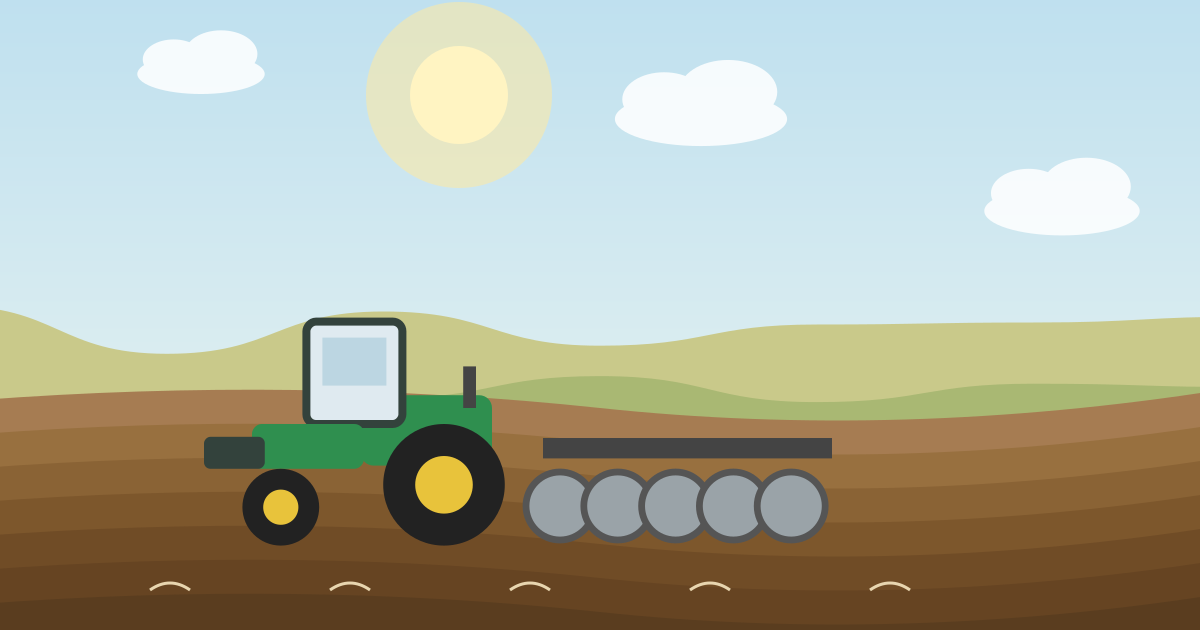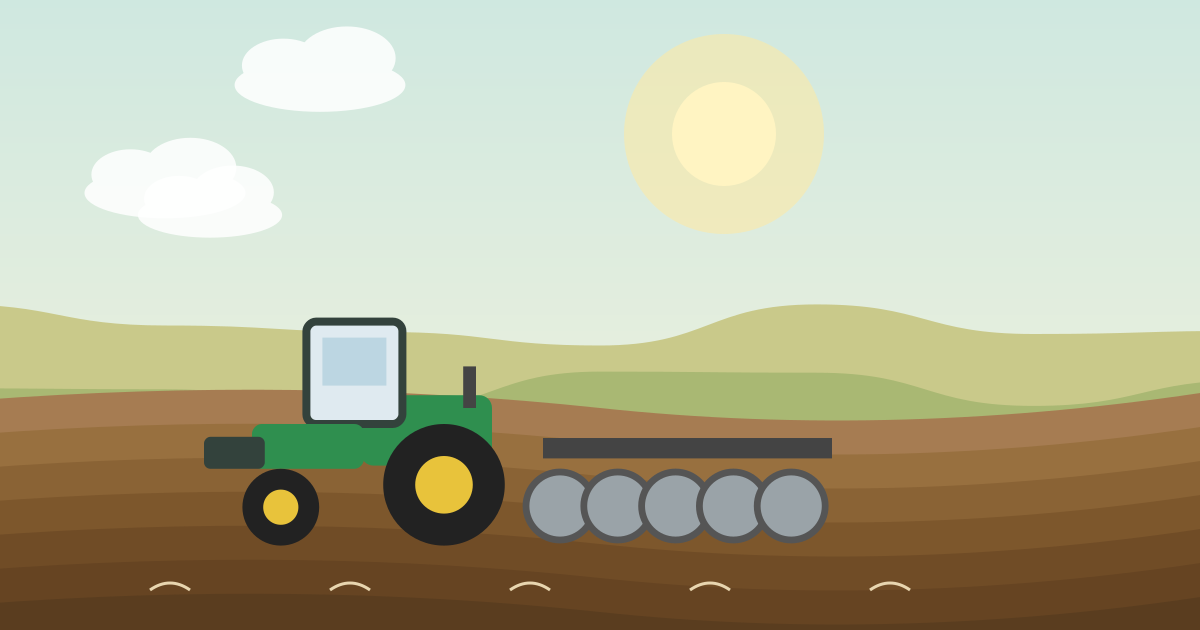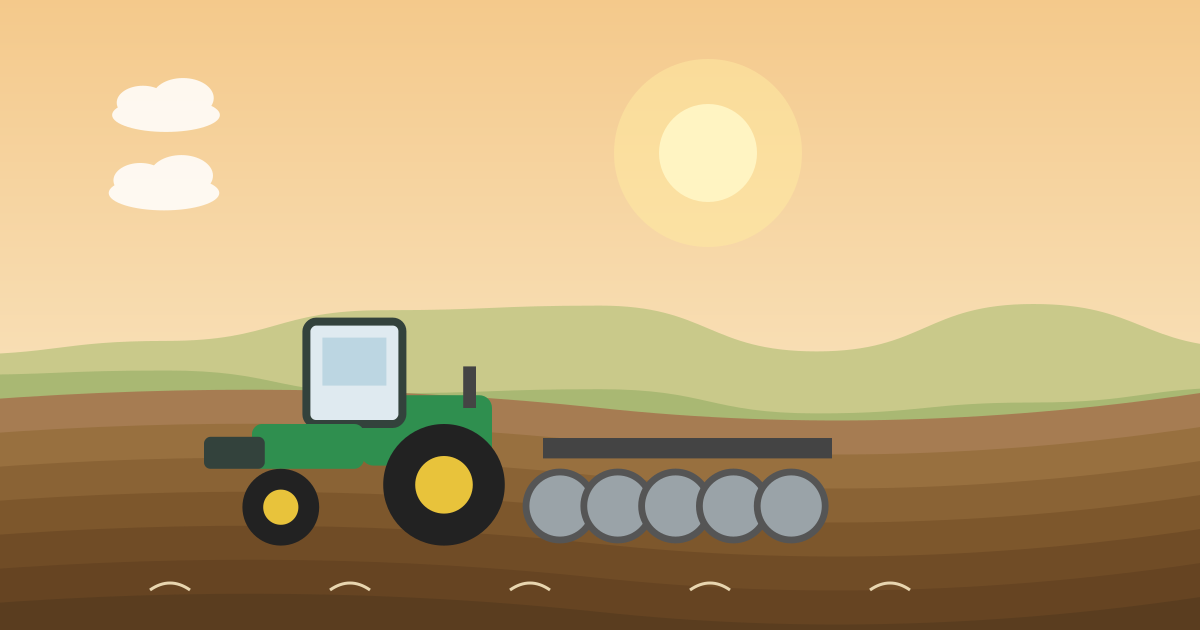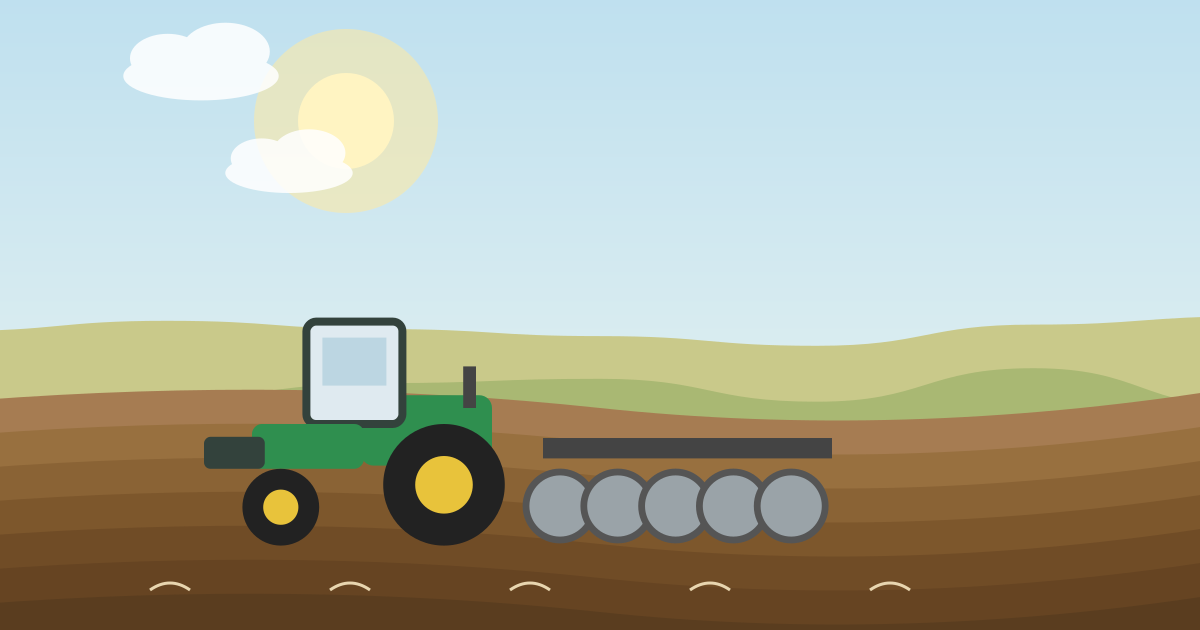
A no-till drill plants seed directly into untilled ground, cutting through residue and sod with discs and placing seed at a controlled depth. It protects soil, saves fuel and moisture and lets farmers seed pasture, cover crops, small grains and other crops with minimal disturbance. It is also expensive, and many farms use it for only a few days a year. That is why drill rentals are so common, especially through conservation districts and dealers. This guide explains why farmers rent drills, how to do it well and how to get good stands.
What a no-till drill does
A drill has a seed box, metering system, seed tubes and openers, usually a set of discs or coulters that cut through residue and open a furrow. Seed drops through the tubes into the furrow, and press wheels or closing wheels cover and firm it. Many drills also have depth bands and gauge wheels to control planting depth. Heavy frames and down-pressure systems help penetrate tough ground.
Drills can plant many seed types, including small grains, forage grasses, legumes, cover crop mixes and sometimes soybeans. Some have multiple boxes for small and large seeds, or for fertilizer. See seed drill rentals: types and calibration and renting a grain drill for pasture overseeding.
Why farmers rent
- Cost. A no-till drill can be a large investment. Rental avoids capital cost and storage.
- Seasonal use. Many farms need a drill for only a few days each year.
- Trial use. Renting allows a farm to test no-till, cover crops or pasture renovation before committing.
- Conservation programs. Some programs help cover seeding costs, and districts often own drills for local use.
- Specific jobs. Pasture renovation, waterway seeding and cover crops may call for special drills.
- Maintenance. Drills require care. Rental companies maintain them.
Many conservation districts and cooperatives rent drills at low rates, sometimes to members only. Check with local agencies; see the Farmers.gov service center locator, the USDA NRCS and your state page. Also see community equipment libraries and the role of cooperatives in equipment sharing.
Choosing a drill
Consider:
- Working width and row spacing. Common widths range from a few feet to over 15, with row spacing from about 6 to 15 inches or more.
- Seed boxes. Single, double or multi-box for different seed sizes.
- Metering system. Fluted feed, cups or other mechanisms.
- Opener type. Single disc, double disc, coulter and others.
- Down pressure. Needed in firm soils and heavy residue.
- Depth control. Gauge wheels, depth bands and adjustments.
- Transport. Folding drills are easier to haul.
- Tractor requirements. Hitch, horsepower, remotes and weight.
Ask the dealer or district what seeds the drill has planted successfully, and what seeding rates and settings they recommend.
Calibration
A drill must be calibrated to plant the right seeding rate. Rental companies and districts usually provide a calibration chart or help. A basic procedure is:
- Set the drill to the manufacturer's chart for your seed.
- Raise the drill and collect seed from the tubes while turning the wheel a measured number of revolutions, or use the calibration method specified by the manual.
- Weigh the seed collected, then calculate seeding rate per acre.
- Adjust the settings and repeat until you hit the target rate.
Seed size, shape, weight and moisture all affect flow. Calibrate with the actual seed you plan to use. Check the rate again partway through the field. Small seeds like clover and grass require careful settings and often need seed boxes designed for them. See the guidance in SARE publications and your extension office.
Residue, soil and moisture
No-till planting depends on conditions.
- Residue. Heavy residue can hairpin and push into the furrow, reducing germination. Choose appropriate discs and adjust down pressure.
- Soil moisture. Too wet and the furrow smears and seals. Too dry and seed may not germinate.
- Soil type. Clay soils can crust and glaze, and sandy soils can dry quickly.
- Seed depth. Match to the species. Small-seeded legumes and grasses often need shallow planting.
- Seed-to-soil contact. Press wheels and firm closing help.
- Weed and sod control. Burndown herbicides or grazing management may be needed before planting into sod.
Check the field before the drill arrives, and remove obstacles. See pasture renovation equipment rentals and broadcast seeder rentals for pasture.
Tractor and hitch
Drills are heavy, and some require substantial horsepower. Check the drill's weight, hitch type, hydraulic needs and tractor requirements. Many drills pull from the drawbar and use hydraulic lift and fold. See utility tractor rentals and renting a tractor: what to know before you book.
Scheduling and booking
Drill rental windows are tight. Spring and fall seeding seasons attract many farmers, and conservation districts often have waiting lists. Book as early as possible, even months ahead. Have a backup plan if rain delays you. Ask about rental periods, such as one-day or multi-day, and how the drill must be cleaned and returned. See seasonal rental planning and how weather affects rental bookings and fees.
Cleaning and return
Clean the seed boxes thoroughly to avoid contamination. Brush and vacuum out seed and dust, clean the tubes and lubricate as directed. Check discs and bearings. Some districts charge for cleaning if the drill is returned dirty. See returning farm equipment: cleaning and fuel rules.
Costs and terms
Ask about:
- Rental rate per day or per acre.
- Deposit.
- Insurance or liability rules.
- Calibration help.
- Delivery and pickup.
- Maintenance and wear charges.
- Who pays for breakage.
- Training or demonstration.
See how to budget for farm equipment rentals and understanding rental agreements.
Safety
- Keep bystanders away.
- Never go under a raised drill without supports.
- Use transport locks and lights on roads.
- Watch for pinch points when folding.
- Wear the seatbelt, and use rollover protection.
- Shut down before servicing. See the farm machinery lockout-tagout procedure template.
See the OSHA agricultural operations page.
A word from the farm radio
Ask any farmer who has borrowed a drill and the story is the same: it worked great, the neighbor loved it and the seed box was somehow full of last year's mouse nests. The friendly voices at farm.FM (farm.fm) have heard that tale a hundred times, so do the walkaround and clean the boxes before you plant.
Bottom line
Renting a no-till drill gives farmers a low-cost path to conservation seeding and pasture renovation. Look first to conservation districts and dealers, book early, calibrate carefully, match settings to soil and residue and clean the drill before return.
Frequently asked questions
Where can I rent a no-till drill?
Conservation districts, cooperatives, dealers and some extension programs offer drills. Contact local offices early because fleets are limited.
Do I need to calibrate a rented drill?
Yes. Seeding rate depends on seed size and settings, so calibrate with your actual seed.
Can a no-till drill plant into sod?
Often, yes, with proper settings and sometimes burndown or grazing management first. Ask the owner about experience in your conditions.
How far ahead should I book?
As early as possible, often months before the planting window, because drill fleets are small.