When a field has a compacted layer, heavy residue or poor drainage, a chisel plow is a common answer. It tears through the soil with rows of curved shanks, shattering hard layers and leaving residue partially in place. Compared with a moldboard plow, it is faster, uses less fuel per acre and leaves more cover against erosion. Because it takes a lot of horsepower and sees limited annual use on many farms, chisel plows are frequent rental items. This guide explains how they work, how to choose one and how to use one wisely.
How a chisel plow works
A chisel plow has a frame carrying several rows of shanks, each with a replaceable point or chisel at the bottom. Shanks are spaced across the width, staggered in rows to prevent plugging with residue. As the tractor pulls the plow, each point fractures the soil and lifts it slightly, creating cracks and loosening compacted layers. Some models have twisted shanks, spiral points or sweeps for different effects. Many include trailing disks, coulters or rolling baskets to level and break clods.
Typical working depths range from about six to twelve inches, though some deeper ripping tools go further. See renting a subsoiler for compaction relief for deeper work.
When to use a chisel plow
- Breaking up compaction in the top foot or so of soil.
- Loosening soil in fall to prepare for spring planting.
- Managing heavy corn or small grain residue while leaving cover.
- Improving infiltration and drainage in tight soils.
- Preparing seedbeds for field crops and pasture renovation.
- Fracturing hardpans created by tillage or traffic.
It is a good middle ground between moldboard plowing and no-till. See renting a plow: types and applications and moldboard plow rentals.
Do you have a compaction problem?
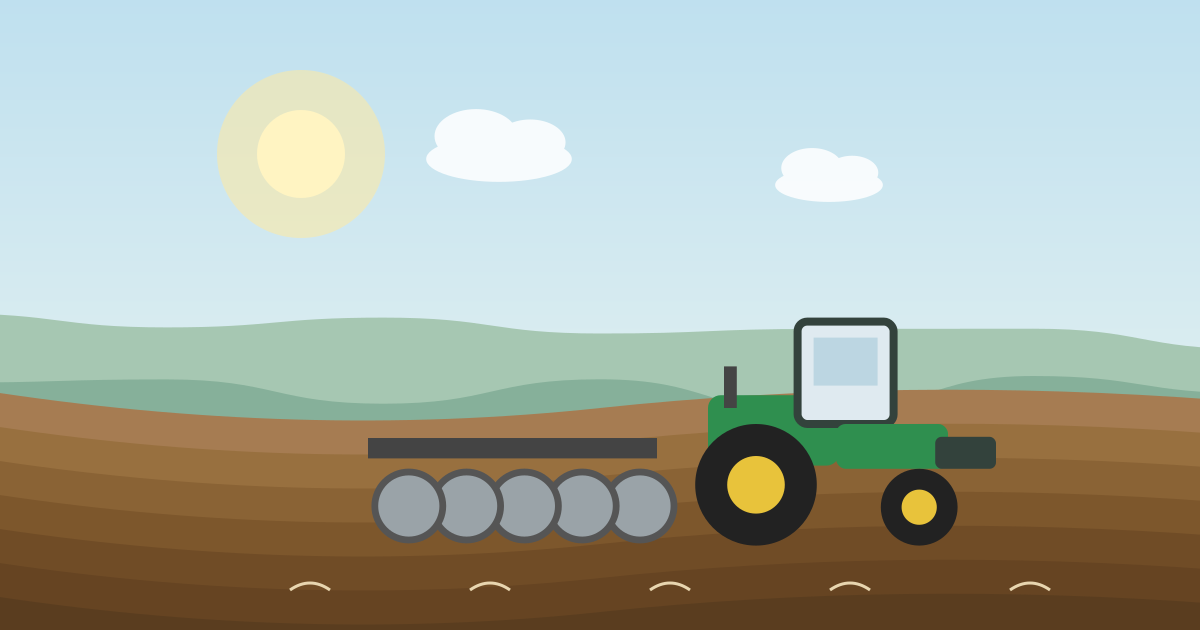
Before rented equipment goes to work, confirm that deep tillage is needed. Dig a few holes to look at the soil profile. Signs of compaction include roots growing sideways, flat plates of soil, hard layers resisting a probe and water standing after rain. Use a soil probe or penetrometer. Tilling deeper than the compaction layer wastes fuel, and tilling when the soil is too wet can create new compaction. Extension agents and NRCS staff can help evaluate. See your state page for contacts.
Choosing the right size
Key specifications include:
- Working width and number of shanks. More shanks mean more horsepower demand.
- Shank spacing. Wider spacing needs less power and handles residue better, while narrower spacing shatters more soil.
- Frame clearance. Higher clearance reduces plugging.
- Point type. Chisel points, twisted points, sweeps and spikes give different results.
- Trip or spring protection. Protects against rocks.
- Trailing attachments. Disks, harrows or baskets.
- Hitch type. Mounted or trailing, and the tractor's hitch category.
- Transport width and fold. Folding models are easier to haul.
Match the plow to the tractor. A rough guide is that each shank needs a certain amount of drawbar horsepower, which varies by soil and depth. Ask the dealer for the manufacturer's recommendation. See row crop tractor rentals and four-wheel-drive tractor rentals for heavy work.
Depth, speed and moisture
Good results depend on adjusting the machine.
- Depth. Set just below the compacted layer. Go deeper only when necessary.
- Speed. A typical working speed is a few miles per hour. Too slow reduces shattering, while too fast can bury residue and increase wear.
- Moisture. Work when the soil is dry enough to fracture rather than smear. Wet soils will form slabs and clods.
- Level. Keep the frame level front to back and side to side.
- Straight lines. Keep passes parallel, and consider contour work on slopes.
Test in a small area, then dig and check the result. The soil should show cracks and loosening, not smeared slots.
Residue and conservation
Chisel plowing leaves more residue on the surface than moldboard plowing, which helps reduce erosion. The amount left depends on shank type, spacing and the number of passes. If you have a conservation plan, check requirements for residue cover. Programs administered through the Farm Service Agency and NRCS may have tillage rules. Planting a cover crop after tillage protects soil. See air seeder rentals for cover crops.
Safety
Chisel plows are heavy and have sharp points that can cause injury.
- Lower the plow to the ground or use stands when working underneath.
- Never ride on the implement.
- Keep bystanders away.
- Use transport locks on roads.
- Watch wing fold and unfold areas for pinch points.
- Wear the seatbelt and use rollover protection.
- Shut down and set the brake before adjusting or inspecting. See the farm machinery lockout-tagout procedure template.
See the tractor rollover prevention checklist and the OSHA agricultural operations page.
Transport and delivery
Large chisel plows can be wide and heavy. Check width limits for gates and roads, and plan transport. Many dealers deliver. If you tow it, check the tractor's drawbar rating and use proper lighting and slow-moving vehicle markings. See transporting rented equipment and oversize load permits for rented equipment.
Costs and terms
Ask about:
- Daily, weekly and monthly rates.
- Wear charges for points and shanks.
- Spare parts and shear bolts.
- Delivery and pickup.
- Damage waiver and exclusions for rock damage.
- Deposit.
- Hour limits on the tractor, if rented together. See tractor rental hours limits.
Compare with custom tillage services, which may be cheaper for a few acres. Use the rental vs custom hire calculator.
Inspect before you accept
Check shanks, points, mounting bolts, frame welds, hinges, hydraulic cylinders, hoses, wheels, disks and lights. Look for bent shanks and worn points. Record condition and photograph existing damage. See understanding rental equipment condition reports.
Follow-up passes
After chiseling, you may need a disk, field cultivator or harrow to smooth and prepare the seedbed. Plan the sequence and rent equipment together. See disk harrow rentals and field cultivator rentals for seedbed prep.
Bottom line
A chisel plow is an effective deep tillage tool when compaction or residue is a problem. Verify the need, size it to the tractor, work at the right moisture and depth, protect the soil afterward and operate safely.
Frequently asked questions
How deep should I chisel plow?
Just below the compacted layer, usually a few inches deeper than the hardpan. Dig to check before setting depth.
Does chisel plowing leave residue?
Yes, more than moldboard plowing, though the amount depends on shanks, speed and the number of passes.
How much horsepower do I need?
It depends on shank count, soil and depth. Ask the dealer for the manufacturer's recommendation.
Can I chisel plow wet soil?
Avoid it. Wet soil smears and forms slabs, which can create more compaction.