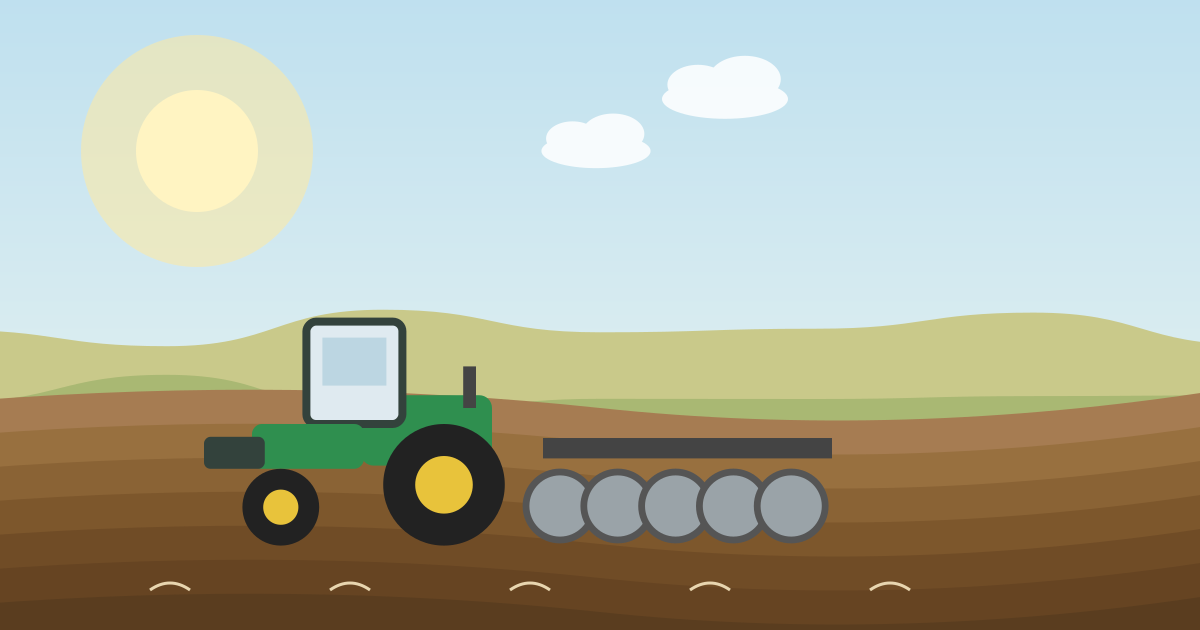
Some fields never stop growing stones. Frost, tillage and erosion keep delivering them to the surface, and picking them by hand is endless work. A stone burier takes a different approach: it works the soil so that stones fall to the bottom of the worked layer while fine soil rises to form a smooth seedbed above them. It is a specialized tool, common in potato and vegetable production, and rarely owned by small farms. This guide covers when it makes sense and how to run one.
How a stone burier works
Most stone buriers combine a rotary or powered rotor with a shaped hood, sieve or auger that sorts soil by size. Stones drop into the bottom of the worked layer, and fine soil is thrown on top and shaped into a bed. Some designs form raised beds in the same pass. The result is a seedbed free of surface stones, with the stones buried below the working depth rather than removed from the field.
Stone buriers differ from stone pickers, which lift stones out and dump them. See renting a rock picker for field clearing. A burier does not take rocks off the field, so it suits fields where stones are small to medium and plentiful. Very large boulders still need a loader or excavator.
When it makes sense
- Potatoes and root crops, where stones damage tubers and harvesters.
- Vegetables, where a smooth bed matters for planting and harvest.
- Fields with abundant small stones that are costly to pick.
- Operations that want to avoid hauling stones or piling them.
- Growers who can share or rent a machine they use a few days a year.
It is less useful in fields with few stones, in very sticky clay or where buried stones will be brought back up by deeper tillage later. Ask local growers and your extension office what works in your soil; see SARE publications, the USDA NRCS and your state page.
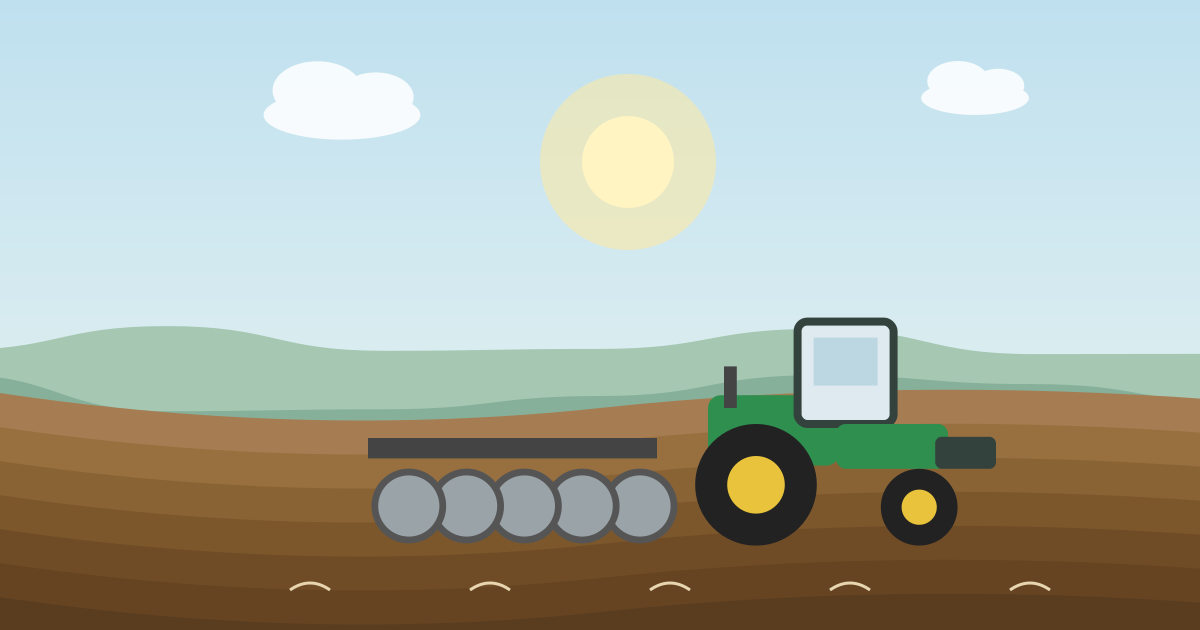
Choosing a machine
- Working width. Match to bed width and tractor size.
- Working depth. Deep enough to bury stones below the seedbed.
- Stone size range. Ask the dealer what stone sizes it handles.
- Rotor and hood design. Different designs form beds differently.
- Tractor requirements. Horsepower, PTO speed, hitch category and weight.
- Wear parts. Tines and hoods wear quickly in stony ground. Ask about condition and replacement.
- Bed-forming options. Some include rollers or shapers.
See rotary tiller rentals: walk-behind vs tractor-mounted and bed former rentals for vegetable production for related tools.
Tractor power
Stone buriers take substantial power, because they work soil deeply and move stones. Ask the dealer for a horsepower range, and consider a larger tractor for heavy soils. See row crop tractor rentals and four-wheel-drive tractor rentals for heavy work. Check ballast; see the tractor ballast weighting guide.
Soil conditions and timing
Work when soil is dry to moist and crumbly. Wet soil sticks, clogs the machine and smears. Very dry soil wears parts quickly and creates dust. Many growers work stony ground in spring a few weeks before planting, or in fall after harvest. Check the forecast, and book with flexibility. See seasonal rental planning and how weather affects rental bookings and fees.
Running the machine
- Make a test pass. Dig across the bed to see where stones ended up and how smooth the surface is.
- Adjust depth and speed. Slower speeds usually give better separation.
- Keep passes straight and parallel.
- Watch for large boulders. Remove them first with a loader.
- Check wear regularly, and replace damaged tines.
- Match to planting. Plant soon after, before rain crusts the bed.
Common mistakes to avoid
- Working wet soil. Stones and soil do not separate.
- Underpowering. A stalled PTO can break shafts.
- Expecting a boulder fix. Large rocks still need removal.
- Running too fast. Stones stay on top.
- Ignoring wear. Worn tines leave stones in the bed.
Inspect before you accept
Check tines, rotor, hood, gearbox, PTO shaft and shields, skids and hitch pins. Look for cracks and worn parts. Photograph existing damage. See understanding rental equipment condition reports.
Safety
- Keep PTO shields in place. See the PTO safety shield inspection form.
- Keep bystanders far away. Stones can be thrown.
- Wear eye and hearing protection.
- Use seatbelts and rollover protection. See the tractor rollover prevention checklist.
- Shut down before servicing. See the farm machinery lockout-tagout procedure template.
See the OSHA agricultural operations page.
Costs and terms
Ask about daily and seasonal rates, wear-part charges, delivery and deposit. Compare with custom stone burying and with picking by machine or labor. See how to budget for farm equipment rentals, understanding rental agreements and the rental vs custom hire calculator.
Cleaning and return
Clear soil and stones from the rotor and hood, grease fittings and return on time. See returning farm equipment: cleaning and fuel rules.
A sample spring plan
A vegetable grower has five acres of stony loam. Large boulders are pulled first with a loader. The grower rents a stone burier and a large tractor for three days in early spring, makes a test pass, digs across the bed to confirm stones are below the seedbed and adjusts speed. The beds are formed and planted within days. At harvest, the grower notes less damage to roots and a smoother harvest.
Questions to ask the dealer
- What stone sizes and soils has this machine worked?
- What tractor size and PTO speed does it require?
- When were the tines and hood last replaced?
- Does it form beds, or do I need a second machine?
- What wear charges will I face at return?
Bottom line
A stone burier is a specialty tool for stony ground. Pair it with boulder removal, power it properly, work in the right moisture and check results with a trench. Compare cost with picking before you rent.
Frequently asked questions
How is a stone burier different from a rock picker?
A burier works stones below the seedbed, while a picker lifts stones out and dumps them.
Does it remove stones from the field?
No. It buries them, so deeper tillage later can bring them back up.
What soils suit a stone burier?
Stony, crumbly soils. Sticky wet clay clogs the machine.
Do I still need to remove boulders?
Yes. Large rocks must be removed before the machine runs.